Tips for Choosing the Ideal Fishing Rod for Every Fishing Style
Selecting the suitable fishing rod is paramount for any fisherman. Various fishing styles necessitate distinct factors, from rod class to materials and action. Understanding these qualities can greatly enhance the angling adventure. As anglers explore their options, they must also navigate common pitfalls in the buying undertaking. The choices can be burdensome, but grasping where to initiate makes a variation. What criteria should be prioritized to confirm the optimal fit for every fishing adventure?
What Type of Fishing Style Fits You Most?
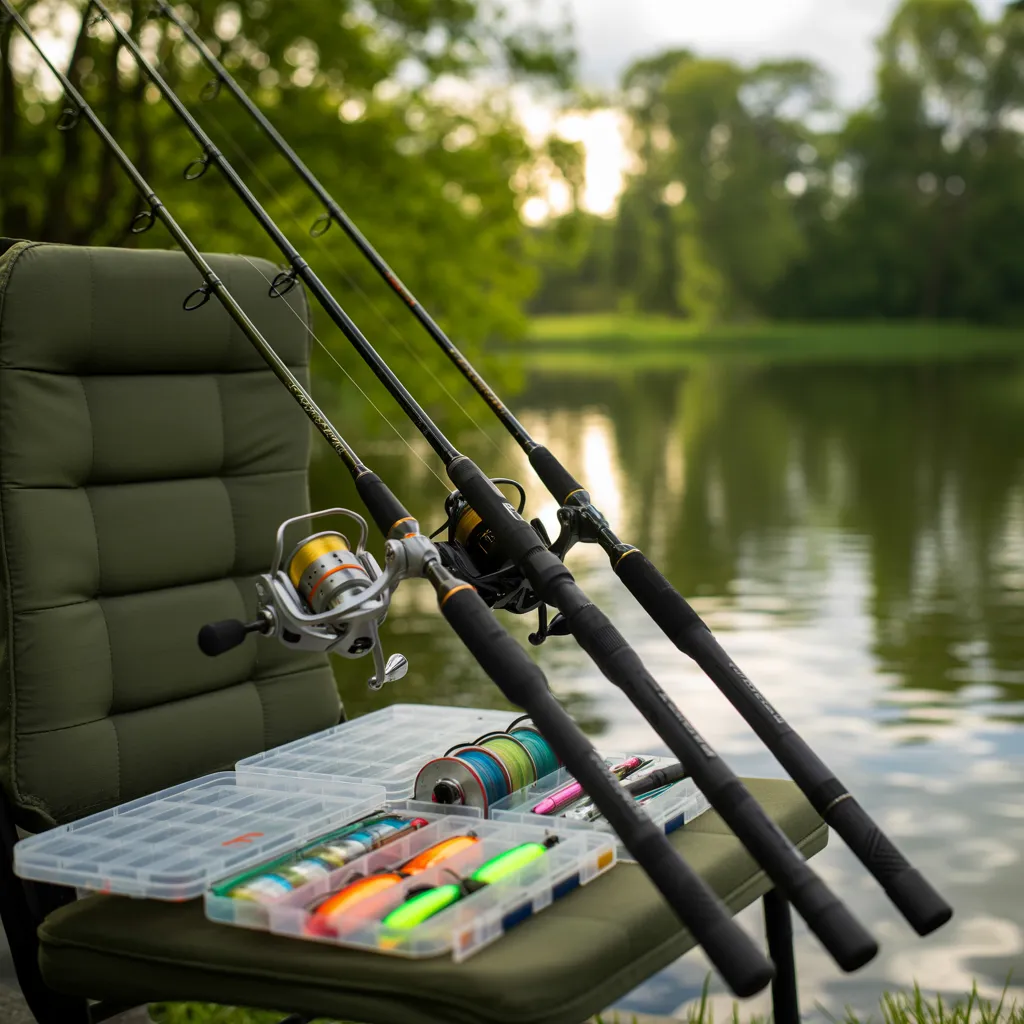
Picking the appropriate fishing style can greatly enhance the overall experience for any fisherman. Each style caters to different environments, target fish, and personal choices. Understanding these details is essential for selecting the most enjoyable approach. For instance, freshwater fishing often incorporates techniques like fly fishing or baitcasting, ideal for targeting species like trout or bass. Conversely, saltwater fishing may incorporate deep-sea trolling or pier fishing, focused on larger species such as tuna or marlin.
In addition, some anglers prefer the tranquility of shore fishing, whereas others flourish on the thrill of kayak fishing. Each method requires different skills and equipment, making it vital to bear in mind one's interests and physical capabilities. By identifying a preferred fishing style, anglers can better align their fishing pole selection and tackle choices, ultimately enhancing their fishing adventure and increasing the likelihood of a successful catch.
Vital Elements for Several Fishing Rod Forms
Learning the essential traits of different rod options is necessary for maximizing angling success. Each fishing rod type is built with specific characteristics that fulfill varied angling techniques. For instance, rods are often lightweight and bendable, permitting for simple casting and control, wonderful for live bait or artificial lures. By contrast, baitcasting rods offer greater precision and power, rendering suitable for targeting sizable specimens.
Fly rods feature their longer length and flexible performance, enabling precise presentations in delicate conditions. Trolling rods, on the other hand, are built for strength and durability to withstand the stress of bigger fish while trolling at different depths.
Finally, surf rods are engineered for extended-range throws and harsh conditions, often equipped with reinforced guides and a strong backbone. Understanding these essential features enables fishermen choose the right fishing rod tailored to their angling approach, enhancing their total enjoyment on the water.
Best Rod for Fishing Size and Action
Deciding on the appropriate fishing rod action and length is essential for attaining perfect casting sensitivity and performance. Rod length usually spans from 5 to 12 feet, with shorter rods giving better control and precision for techniques like finesse fishing. In contrast, elongated rods provide enhanced casting span, positioning them suitable for open waters.
Action shows the rod’s ability to bend and responsiveness. Fast action rods flex mainly at the tip, offering quick touch and excellent hook-setting power, suited for types such as bass. Moderate action rods balance out, bending further down and enabling better bait presentation, useful in multiple conditions. Slow action rods, flexing all along their length, are favored for lighter lures and delicate presentations.
Ultimately, the blend of length and action should correspond with the angler's chosen fishing style, target species, and personal preferences, guaranteeing peak performance on the water.
Finest Resources for Fishing Rods
When deciding on a fishing rod, the selection of materials acts as a essential factor in performance. Carbon fiber and fiberglass each deliver distinct advantages with regard to strength, mass, and feel. Grasping these distinctions enables fishing enthusiasts to pick a fishing pole that aligns best with their fishing approach and needs.
Graphite versus Fiberglass Decisions
Though both graphite and fiberglass offer benefits, choosing the appropriate material for a fishing rod greatly impacts both performance and user experience. Graphite rods are prized for their sensitivity and lightweight design, making them excellent for anglers who need quick responsiveness, especially in finesse fishing techniques. Their rigid build allows for better casting distance and precision. Conversely, fiberglass rods are known for enhanced durability and flexibility, making them great for beginners and those targeting larger fish species. The slower action of fiberglass rods can absorb shock more effectively, lowering the chance of breakage during intense fights. Ultimately, deciding between graphite and fiberglass depends on the angler's unique fishing style, preferences, and fishing conditions.
Durability and Weight Reflections
Rod composition selection not only influences sensitivity and casting but also is important in durability and weight. Anglers often consider the benefits of different materials, with graphite and fiberglass being the most common. Graphite rods are light in weight and offer high sensitivity, which makes them ideal for precise techniques. Still, their fragility can pose risks in harsh conditions. On the other hand, fiberglass rods are weightier but exceptionally durable, offering a robust option for rough environments. Some manufacturers combine materials to optimize both weight and strength, suited for various fishing styles. Ultimately, the correct balance between durability and weight is vital to ensuring a comfortable and effective fishing experience, allowing anglers to enjoy their time on the water without compromise.
Responsiveness and Action Types
Responsiveness constitutes a crucial aspect when selecting a angler's rod, since it directly impacts an angler's capacity to detect subtle bites and respond efficiently. Materials like graphite and carbon fiber are famous for their exceptional sensitivity, delivering quick feedback from the line. By contrast, fiberglass rods, although more durable, often lack the same degree of sensitivity.
Action types also have a major role; fast action rods provide increased sensitivity and responsiveness, making them perfect for rapid hook sets. Medium and slow action rods provide increased flex, which can aid in casting and controlling larger fish. Ultimately, the choice of materials and action type should align with the specific fishing style, ensuring peak performance in various conditions.
How to Match Rod Power With Your Intended Fish
Determining the right rod power is paramount for successfully pursuing particular fish types. Rod power, which denotes the rod's ability to handle weight and stress, is classified as light, medium, and heavy categories. For diminutive species, such as panfish or trout, a light power rod provides the sensitivity needed to detect faint bites. Medium power rods are flexible, suited for species like bass and walleye, merging strength and sensitivity. Heavy power rods are perfect for larger, more aggressive fish, such as pike or saltwater species, where increased strength is required for handling their weight and fight. Pairing rod power to the target species ensures effective hook sets and minimizes the risk of breaking the line or losing the catch. By choosing the appropriate rod power, anglers can enhance their fishing experience and increase their chances of success on the water.
Finding the Perfect Reels and Lines for Your Rod
When choosing the right fishing rod, picking the suitable reel and fishing line is crucial for peak performance. Understanding different reel types and their features assists anglers make informed decisions, while proper line choice guarantees alignment with the rod specifications. This section will examine these key elements to enhance the fishing experience.
Reel Types Broken Down
Selecting the ideal reel is crucial for enhancing fishing success and enhancing the overall experience. The three basic types of reels are spinning, baitcasting, and spincasting. Spinning reels are versatile and suitable, making them ideal for beginners and several fishing styles. With better accuracy and control, baitcasting reels are perfect for experienced anglers who target larger species. Thanks to their enclosed design, spincasting reels offer ease of use and are ideal for beginners. Each reel type has specific advantages that cater to different techniques and preferences. Recognizing these differences enables anglers to select the reel that fits their fishing style, ensuring a more enjoyable and successful outing on the water.
Line Option Reference
A appropriately matched fishing line can considerably boost the efficiency of a fishing rod and reel unit. Choosing the right line requires considering its material, diameter, and strength. Monofilament lines are flexible and user-friendly, making them suitable for beginners. Braided lines offer superior sensitivity and strength, well-suited for targeting larger species. Fluorocarbon lines, almost invisible underwater, do very well in clear waters and are commonly used for finesse techniques.
Concerning width, lighter strands allow longer casts but could reduce resilience. It's vital to coordinate the line's pound test with the rod's specifications to prevent snapping. In the end, the chosen line should bolster the fishing approach and environmental factors, providing an productive and pleasurable fishing experience.
Match Rod Specifications
Matching rod specifications is essential for optimizing fishing outcomes. The selection of reel and line must match the rod's characteristics, such as power, action, and length. For instance, a lightweight rod typically works well with a spinning reel and a monofilament line, boosting sensitivity and ease of use. Conversely, a heavy-duty rod demands a sturdy baitcasting reel and braided line to manage larger fish effectively. Line diameter should align with the rod's specifications; thinner lines deliver better casting distance, while thicker lines provide added strength. Additionally, the gear ratio of discover this the reel should correspond with the intended fishing style, whether targeting quick strikes or slow retrieves. Careful consideration of these factors ensures a balanced setup that enhances fishing success.
Popular Casting Rod Acquisition Mistakes
What methods help fishermen prevent expensive mistakes when buying a rod? Many anglers fall into typical pitfalls that can lead to disappointment with their selection. One key error is not considering the specific fishing style. A rod made for bass fishing may not suit fly fishing or surf casting. Additionally, anglers often overlook the importance of matching the rod's power and action to their method and intended catch.
Another frequent error is favoring price over performance. While affordable choices are appealing, investing in a reliable rod can improve the fishing experience. Furthermore, failing to try the rod before purchase can result in pain or inefficiency during fishing. Finally, failing to seek expert advice or feedback can leave anglers uninformed. By being mindful of these pitfalls, anglers can make informed decisions and select a rod that improves their fishing adventures.
Often Requested Questions
How Do I Care for My Fishing Rod Properly?
Regular maintenance of a fishing rod requires regular cleaning, inspecting for damage, ensuring guides are free from debris, and keeping it in a dry, cool location. Regular check-ups enhance longevity and performance during fishing excursions.
What Is the Best Method to Keep Fishing Rods?
The finest approach to store fishing rods is upright in a rod rack, ensuring they are protected and not under tension. In addition, keeping them in a dry and cool environment works to protect their integrity and performance.
How Often Should I Replace My Fishing Rod?
Fishing rods need to be updated every few intervals or earlier if damaged. Regular inspections for wear, guides, and reel seats are essential. Anglers should prioritize performance; a malfunctioning rod can affect fishing success considerably.
Can I Utilize One Rod for Various Fishing Styles?
Yes, a rod can be used for multiple fishing styles, provided that it has the proper standards. Versatile rods can accommodate different styles, but performance may change, so understanding unique requirements is key for maximum success.
Are There Specific Brands Recognized for Premium Fishing Rods?
Multiple brands are famous for their superior fishing rods, including Shimano, Penn, and St. Croix. Each brand provides a variety of options matched to different fishing styles, ensuring anglers discover reliable equipment for their needs.